

The custom jewelry manufacturing process starts with the design of a piece of jewellery. A jewellery designer will create a sketch or model of the piece they wish to create, often using CAD software…
The design may be created in 2D or 3D, and the jewellery designer may use photographs or drawings to help them create the model.
After the design is finalized, the jewellery manufacturer will start to create the jewellery piece. This process may start with the manufacturing of the metal pieces that make up the jewellery, such as rings, necklaces, and earrings.
The jewellery manufacturer may also create the jewelry’s gemstones and other parts, such as the clasps and settings.
After the precious metal parts are created, the jewelry manufacturer will start to assemble the jewellery. This process may involve cutting and polishing the metal pieces to their final shape, and then attaching the gemstones.

Jewellery Designing
Jewellery design starts with inspiration. This can come from a variety of sources. The main motivations for designing jewelry include focusing on users’ wishes and needs.
Another wave of current market trends and fashion trends by describing current popular themes.
One way to practice spiritism is to use items from your dreams as design direction.
We have a highly-skilled jewelry designer team who is capable to design jewelry as per our client’s requirements.

CAD (computer-aided design)
The process of designing jewelry relies on hand-painted paintings and hand-painted wax models for years.
Although some designers still use traditional methods, 3D printing, CAM (computer-aided design), and CAD (computer-assisted design) programs can greatly simplify the design process and reduce production time.
CAD programs allow designers to create new and unique designs much easier than traditional pencil and paper.
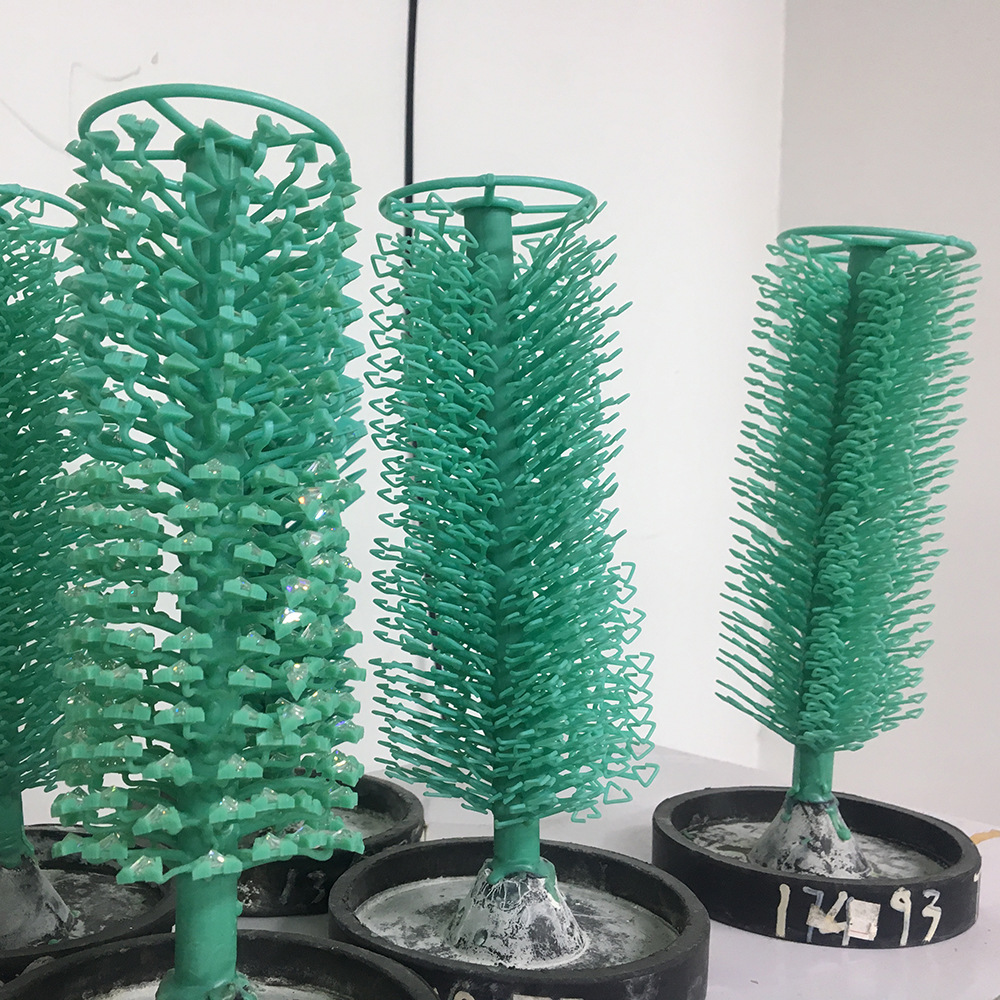
Jewellery Wax
After the design is completed, the next step in the production of jewelry is to make a wax model with all the fine details on a computer-assisted wax-making machine.
A 3D model computer file is transferred to a milling machine or 3D printer to create a wax model of jewelry.
The final result of the wax model can be mathematically accurate and give a working effect to it.
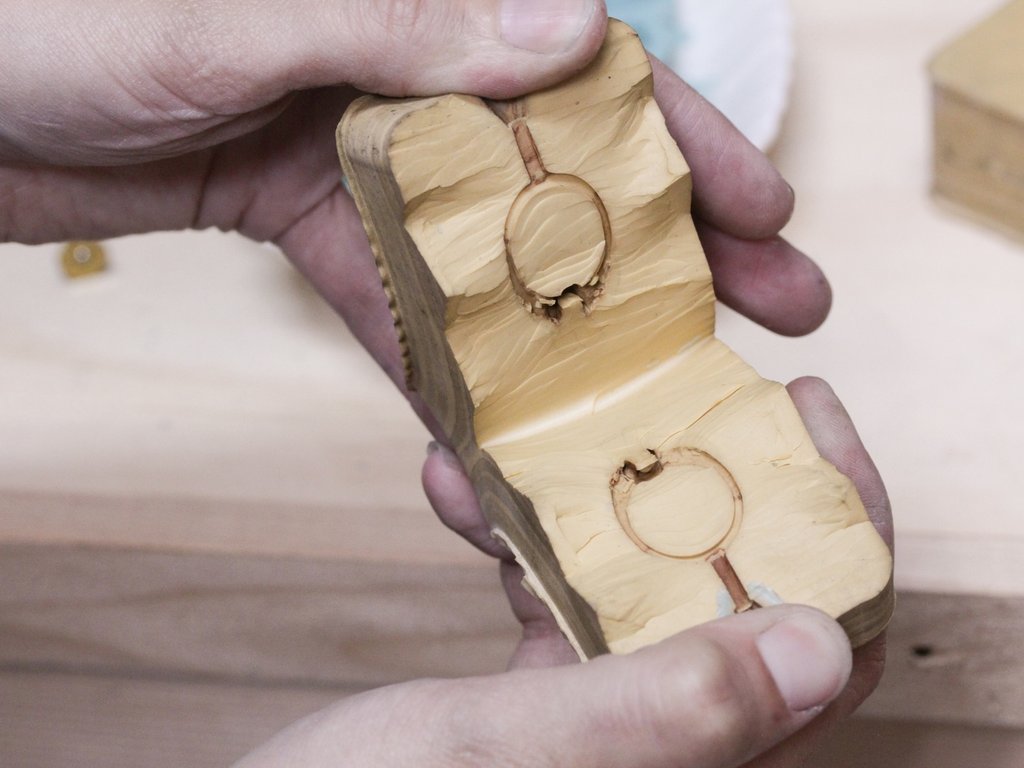
Lost Wax Casting
After the wax tree has been placed in a metal container, known as a flask, a liquid concrete called investment is mixed and poured over the tree to cover it with concrete.
The mold is placed in a vacuum room to remove air bubbles before it hardens.
Once the concrete mold has hardened and cured, the mold is then placed in a very hot oven at night to keep the wax burning, leaving a hole in the concrete floor to fill it with molten metal.
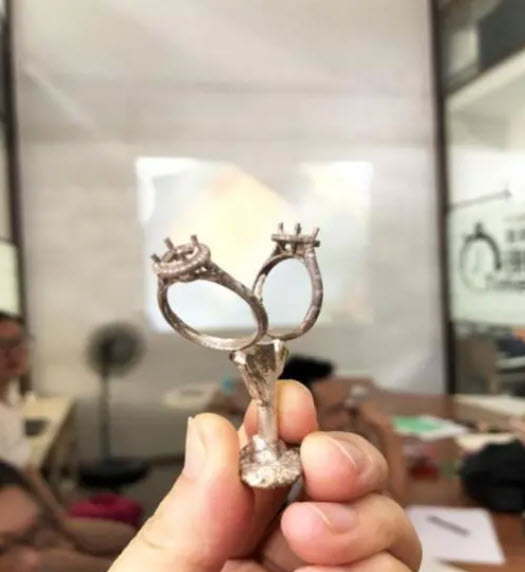
Jewelry Casting Process
After the wax tree has been placed in a metal container, known as a flask, a liquid concrete called investment is mixed and poured over the tree to cover it with concrete.
The mold is placed in a vacuum room before it hardens to remove air bubbles that can cause problems down the line.
Once the concrete mold has hardened and cured, the mold is then placed in a very hot oven at night to keep the wax burning, leaving a hole in the concrete floor to fill it with molten metal.
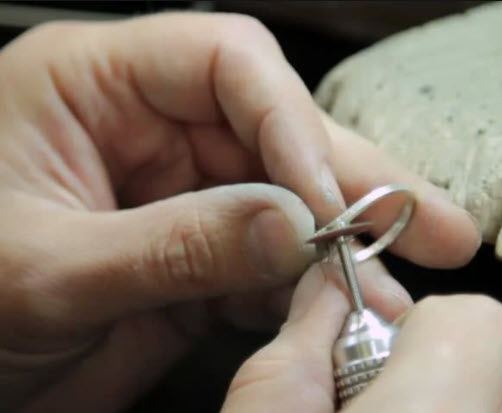
Filing & Assembly
Now that all the pieces of jewelry are discarded and polished beforehand, the next process of producing jewelry is “assembly”.
This is where the earrings of the earrings are added to the earrings, the pendants are attached to the pendants, or the bracelet links are attached.
To do this, a special silver mixture melts at a slightly lower temperature than our molded jewelry pieces used to sell or burn these gold-silver pieces, called locals, locally.
Once all soldering is complete, the jewelry creation is ready to move to the pre-polishing stage.
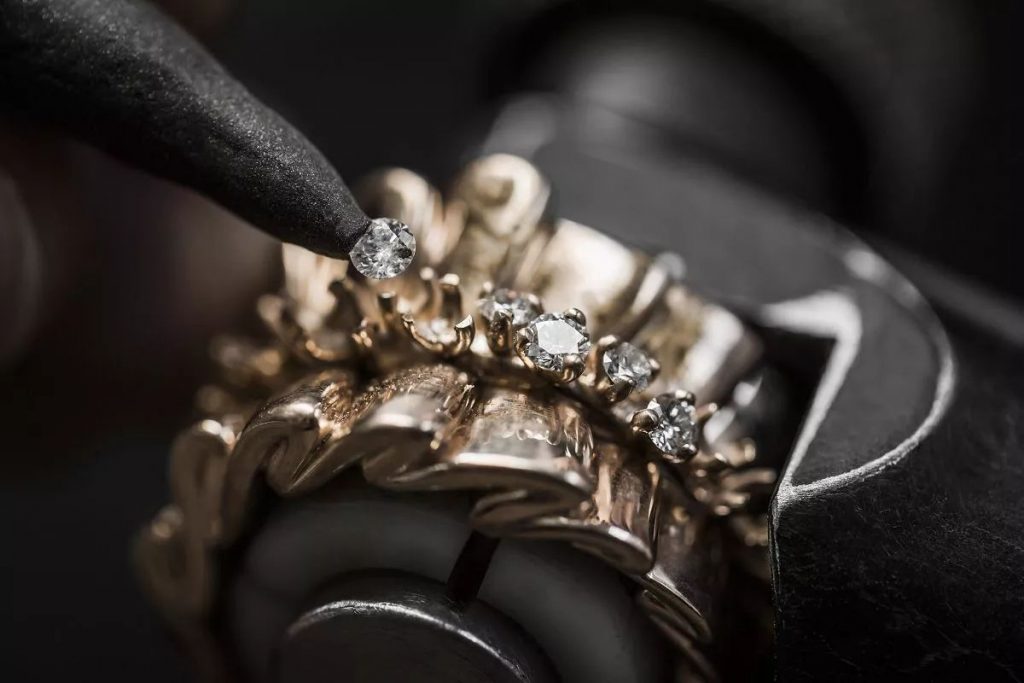
Stone Setting
The stone setting is the 9th stage of jewelry making process. The metal setting is the process of setting or attaching a gem to jewelry.
The setting of the metal varies to create different designs. Even a combination of different metal sets is used to give an attractive look to a piece of jewelry.
The metal Prong, plate prong, pave, bezel, pressure, bead, flush, invisible, fishtail, a plate of wonders, and a channel are among the many settings that have been discussed above.
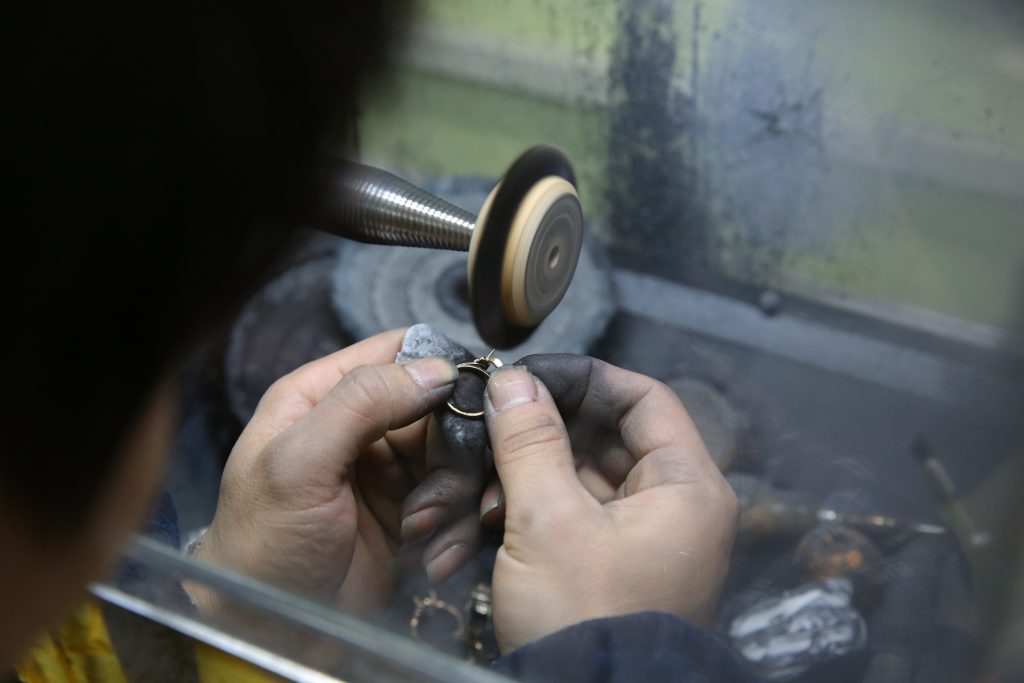
Polishing
Now The piece of jewelry only needs a final polishing to bring out the high gloss and light silver. Polishing uses compounds such as rouge to achieve the desired luster.
With silver metal, wholesale jewelry, this is done by placing a rouge of fine red jewelry on a soft cotton cloth and rubbing the piece by hand, ensuring that every detail and brightness shines brightly.
With a rouge, there is almost no cutting action; heats the metal, moving the top layer to smooth out the fine scratches left in the bath.
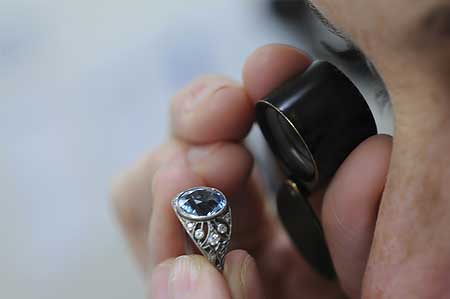
Quality Control
Our final (QC) quality check goes through 8 steps. As a leading jewellery manufacturer, we are very much committed to providing high-quality finishing. For bulk and mass production.
The final step in the process of jewellery manufacturing is equally important quality control as other stages.
Quality control is a platform that ensures that the final finished piece produced complies with a defined set of quality guidelines and meets standard requirements.
Quality Control involves 3 modes namely measurement, visual inspection, and mechanical testing.